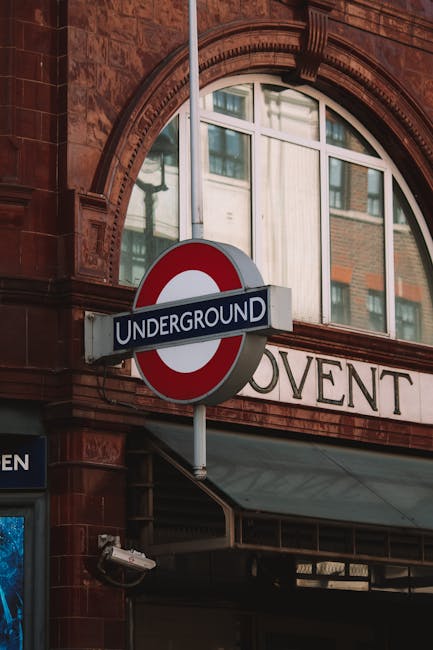
Avoid hidden removals costs in Covent Garden: a practical guide for a smoother, fairer move
Moving in Covent Garden can be deceptively simple on paper. The distance between addresses might be short, yet the real-world logistics can be tricky: tight stairwells, limited parking, busy streets, awkward access, lift waits, and furniture that somehow gets heavier the moment you reach the first landing. That is exactly why people looking to Avoid hidden removals costs in Covent Garden need more than a rough quote. They need clarity, planning, and a proper understanding of where surprise charges tend to creep in.
This guide breaks the process down in plain English. You'll see how removals pricing usually works, what can trigger extra charges, how to compare quotes properly, and what to ask before you book. We'll also cover a realistic step-by-step approach, a practical checklist, and a comparison table so you can make decisions with a bit more confidence. To be fair, that confidence matters. Nobody wants that awkward moment when the invoice arrives and suddenly your "straightforward move" includes three extras you never saw coming.
If you want a broader sense of the services and support available locally, it can help to review the services overview and the details on pricing and quotes before you go much further.
Table of Contents
- Why hidden removals costs in Covent Garden matter
- How removals pricing usually works
- Key benefits of planning ahead
- Who this is for and when it makes sense
- Step-by-step guidance
- Expert tips for better results
- Common mistakes to avoid
- Tools, resources and recommendations
- Law, compliance, standards and best practice
- Options, methods and comparison table
- Real-world example
- Practical checklist
- Conclusion
- Frequently asked questions
Why hidden removals costs in Covent Garden matter
Hidden costs can turn a reasonable moving budget into something irritatingly expensive. In Covent Garden, this risk is even more common because the area has a mix of period buildings, flats above shops, narrow access points, and busy roads where loading time is not always generous. A quote that looks competitive at first glance may not include the things that actually matter on moving day.
That matters for two reasons. First, it affects your budget. Second, it affects trust. If a removal company quotes one thing and then adds charges for access, stairs, waiting time, packing material, fuel, or last-minute vehicle changes, you may feel cornered into paying more than expected. And once the van is outside and the sofa is halfway through the doorway, your leverage is a bit limited, isn't it?
Being aware of hidden costs helps you compare providers fairly. A cheaper headline price is not always better. Sometimes a more transparent service is the real value option because it includes what you actually need, rather than inviting add-ons later. That is especially useful for apartment moves, student moves, office relocations, and specialist items like pianos or large furniture.
If your move involves a flat, you may want to look at the dedicated flat removals in Covent Garden page, because flat access issues are one of the main reasons quotes can drift. For larger or more varied household moves, the house removals Covent Garden service is also worth comparing with your actual needs.
How removals pricing usually works
Removal pricing is usually built from a few core inputs. The exact way providers structure those inputs varies, but the logic is broadly similar. Once you understand the moving parts, hidden fees become easier to spot.
1. Labour and time
Most moves are charged based on time, number of movers, or a fixed job rate. If the team needs longer than planned because access is awkward or the packing is incomplete, the cost can rise. In some cases, there may be an hourly element on top of a base fee.
2. Vehicle size and distance
The size of the van, whether a second vehicle is needed, and how far the destination is can all affect the price. A man with a van in Covent Garden can be ideal for smaller loads, while a bigger household move may call for a more substantial vehicle or even a full team under a removal van arrangement.
3. Access conditions
This is where Covent Garden often gets interesting. Narrow staircases, no lift, long carry distances, restricted parking, and limited waiting space can all affect the work involved. A company may need extra labour, more time, or a different vehicle plan if access is poor. If you mention access honestly from the start, you are far less likely to be surprised later.
4. Packing and protection materials
Boxes, tape, wrap, mattress covers, sofa protection, and wardrobe protection may be included or charged separately. That is not inherently a problem. The problem is when the quote makes it look as though everything is included, but then each item becomes a line on the invoice.
5. Special items and handling
Items such as pianos, large mirrors, antiques, gym equipment, or awkward furniture may need specialist handling. If you're moving something delicate, the right service matters more than a bargain price. For example, piano removals in Covent Garden and furniture removals Covent Garden are better starting points than assuming a standard move will cover everything.
For a useful local example, think about a two-bedroom flat near a busy street with a shared entrance and a narrow staircase. The quote might look fine until the team discovers they must park farther away than expected. Then the carry time increases, the schedule shifts, and the job suddenly becomes a bit more involved than planned. That is not unusual. It is just why details matter.
Key benefits and practical advantages
Avoiding hidden removals costs is not just about saving money, although that is obviously a big part of it. It also makes the whole move calmer and easier to coordinate. Here are the main advantages.
- Clear budgeting: You know what to expect before moving day, so there is less last-minute stress.
- Better comparison: You can compare like for like, instead of comparing a stripped-down quote with a fuller one.
- Fewer delays: Accurate information helps the removals team plan the right vehicle, crew, and equipment.
- Less disruption: A well-planned move tends to be quicker and smoother, especially in a busy London area.
- Reduced risk of damage: Proper packing, suitable protection, and the right handling approach lower the chance of breakage.
There is also a subtle benefit people often miss: good pricing conversations force the move to become real. Not in a scary way. In a sensible way. You start thinking about the lift, the hallway, the mattress, the awkward corner sofa, the freezer that needs defrosting, and whether the van can actually stop where it needs to. That alone can save a lot of money.
If you want help preparing the home itself, the article on decluttering before a move is a smart companion read. And for people who like a structured approach, the tidy-home checklist before relocating gives you a useful rhythm to follow.
Who this is for and when it makes sense
This approach is useful for almost anyone moving in or out of Covent Garden, but it is especially valuable in a few situations.
- Flat movers: If you're on an upper floor, in a converted building, or dealing with limited lift access.
- Students: When budgets are tight and every extra fee hurts a bit more than it should.
- Families: When there are larger loads, children's items, and a long list of things that can quietly add to the total.
- Office relocations: Because downtime, IT equipment, and timing can create costs that are easy to overlook.
- People moving specialist items: Think pianos, heavy wardrobes, or anything that needs careful handling.
It also makes sense if you are comparing removal companies in Covent Garden and trying to decide whether the cheapest option is actually the best. Sometimes a man and van Covent Garden service works beautifully for a light move, but not for a full household relocation. Matching the service to the job is half the battle.
And if the move is urgent, a same-day removals service in Covent Garden can be useful, though it usually rewards clear communication even more than a standard booking. Rush jobs leave less room for vague estimates.
Step-by-step guidance
Here is a straightforward process you can follow to reduce the risk of surprise charges.
- Make a full inventory. List the main items, including any bulky, fragile, or awkward pieces. Don't just count boxes. Count the big stuff too.
- Check access at both addresses. Measure stairwells if needed, note lift size, mention floor level, and think about the distance from the van to the door.
- Be honest about packing status. If you need packing help, say so. If everything is boxed already, say that too. A team cannot price what they do not know.
- Ask exactly what the quote includes. Labour, vehicle, fuel, packing materials, stairs, waiting time, dismantling, reassembly, and any parking-related assumptions should be clear.
- Confirm special handling needs. Pianos, sofas, beds, mirrors, appliances, and office equipment may need extra care or tools.
- Talk about timing. If your building has move-out restrictions or a narrow window, say so early. Delays can cost money.
- Request a written quote. A written breakdown is much easier to compare than a phone estimate you half remember later.
- Read the terms and conditions. Not because it is thrilling, obviously, but because it often explains where extra charges can arise.
A small but useful tip: if you're booking packing materials or need boxes, check packing and boxes in Covent Garden early. Last-minute box hunting is one of those oddly stressful little jobs that seems trivial until you are knee-deep in cutlery and tape.
Expert tips for better results
These are the habits that tend to separate a tidy, predictable move from one that keeps producing extras.
Be specific, not just "roughly a few items"
That phrase is where uncertainty begins. Say whether the sofa is a two-seater or a corner unit. Say whether the wardrobe is flat-pack or solid wood. Say whether the fridge is already disconnected. Details like that help the removals team plan properly.
Use photos for awkward spaces
A quick photo of the stairs, hallway, entrance, parking spot, or lift can be more useful than a long description. It gives the provider a practical sense of the route. In Covent Garden especially, where one doorway can be wider than another by a very unhelpful amount, this matters.
Prepare the property before the team arrives
Clear walkways. Remove loose items. Defrost appliances in advance if they are being moved and stored, and if you need more guidance there, the article on storing a freezer when it's unplugged is genuinely practical. Also, if a bed is part of the move, the step-by-step guide on relocating your bed and mattress helps reduce avoidable fuss.
Choose the right level of service
Some people only need transport. Others need loading, unloading, dismantling, packing, and storage. The right choice is not always the cheapest line on the page; it is the one that matches the job. If your move is genuinely compact, a removal services Covent Garden option may be a better fit than a full house move package. If it is more substantial, then the broader removals Covent Garden page may be the place to start.
Ask about safety and insurance early
Not every move needs a deep discussion about risk, but a trustworthy provider should be open about handling methods, protection, and insurance expectations. If you want to understand the basics before booking, review insurance and safety first. It can save a lot of back-and-forth later.
One more thing. If you are moving something awkward and heavy, please do not try to be a hero for ten minutes and then regret it for two days. The article on heavy lifting made simple and the guide to kinetic lifting essentials are good reminders that smart lifting is better than stubborn lifting. Your back will thank you. Probably immediately.
Common mistakes to avoid
Hidden costs often appear after a few very ordinary mistakes. These are the ones worth watching.
- Comparing quotes without checking what is included. A lower headline price can hide a thinner service.
- Underestimating access problems. A five-minute walk from van to door can become a twenty-minute carry when the route is awkward.
- Leaving packing until the last minute. Half-packed boxes create delays, and delays can increase labour time.
- Forgetting to mention large or fragile items. If the team discovers a piano or oversized wardrobe on arrival, the quote may no longer fit the job.
- Ignoring terms and cancellation rules. This is a common one. A job can be cheap until a reschedule charge appears.
- Assuming storage is included. It often is not. If you may need temporary space, check storage in Covent Garden before you commit.
There is a related mistake that sounds small but causes friction: not confirming whether the provider will help with dismantling and reassembly. If you are moving beds, tables, or larger furniture, ask in advance. Otherwise, you may end up doing that part yourself with one screwdriver and a growing sense of dread.
Tools, resources and recommendations
You do not need a complicated toolkit to keep costs under control. A few practical resources are enough.
- Inventory list: A simple spreadsheet or notes app list is fine. Include room, item, and special handling notes.
- Measure tape: Useful for doors, hallways, lifts, and furniture dimensions.
- Labels and marker pens: Helps with box organisation and reduces unpacking confusion.
- Photos of access points: Very useful for remote quotes and planning.
- Parking and access notes: Keep them in one place so you do not have to repeat yourself ten times.
For the move itself, the most useful "resource" is often a well-matched service. If you are moving into a flat, compare with flat removals Covent Garden. If you need to shift office contents, look at office removals Covent Garden. If the job is compact and you just need practical transport, man and van or man with a van services can be the right scale.
Sometimes people also benefit from thinking about the move as a sequence, not one giant event. Pack room by room. Label clearly. Leave essentials for last. That approach sounds basic, but basics save money. Every time.
Law, compliance, standards and best practice
For removals, the main thing is not to chase dramatic legal jargon. It is to work with a provider that follows sensible UK business practices and communicates terms clearly. A reputable company should be transparent about pricing, safety, handling, and complaints procedures. That is not a luxury. It is standard good practice.
Before booking, it is sensible to review the company's public information pages, including terms and conditions, payment and security, and complaints procedure. These pages can help you understand how the business handles booking changes, payments, and any service issues.
If sustainability matters to you, it is also reasonable to ask how waste and packaging are handled. The company's recycling and sustainability information may give you a sense of whether packing waste, unwanted items, and disposal are being managed responsibly. That sort of detail may not change the price much, but it can change how comfortable you feel about the move.
And if you need reassurance about the company itself, the about us page is a useful place to see who is behind the service and how they present themselves. Trust is built on boring details sometimes, and that is fine.
Options, methods and comparison table
Here is a simple comparison of common moving approaches in Covent Garden. It is not about declaring one option best for everyone. It is about matching the method to the job and avoiding costs that appear because the service was the wrong size in the first place.
| Option | Best for | Typical risk of hidden costs | What to check first |
|---|---|---|---|
| Man and van | Small loads, student moves, local single-trip jobs | Medium if access, loading time, or item count is underestimated | Vehicle size, waiting time, and whether loading help is included |
| Full removals service | Households, multi-room moves, larger furniture | Lower if the inventory is accurate and the quote is detailed | Packing, dismantling, insurance, and access assumptions |
| Specialist removals | Pianos, fragile items, heavy or awkward furniture | Low when specialist handling is correctly scoped | Handling methods, extra equipment, and crew experience |
| Storage-based move | Delays between move-out and move-in, renovations, downsizing | Medium if storage duration and access are unclear | Collection, delivery, storage period, and retrieval charges |
As a rule of thumb, the more complicated the access, the more valuable a precise quote becomes. If you're dealing with a building on or near a tighter street, the local article on tight access moves around Neal Street is a good reminder that a "short job" can still need careful planning.
Case study or real-world example
Imagine a one-bedroom flat move in Covent Garden. The client thinks the job will be quick because the new place is only a few streets away. Fair enough. The inventory seems modest: bed, mattress, sofa, table, boxes, and a few kitchen items. The first quote is appealing, but it is based on minimal information.
Then the details come out. The property is on the third floor. There is no lift. The hallway is narrow. Parking is not directly outside. The sofa needs to be taken apart. The mattress needs protection. The freezer has not been defrosted. Suddenly the initial estimate does not reflect the real effort involved.
Now compare that with a better-prepared version of the same move. The client sends photos of the staircase and entrance. They share a full inventory. They confirm the larger furniture items, mention the freezer, and ask whether dismantling is included. The quote is more accurate from the beginning. On moving day, there are fewer surprises, the crew arrives with the right equipment, and the invoice matches the earlier conversation much more closely.
That is the point, really. Hidden costs usually do not come from evil intent. They come from unclear assumptions. Once you remove the guesswork, the whole process gets easier. Bit boring, maybe. But a boring moving day is usually a good moving day.
Practical checklist
Use this checklist before you confirm a booking.
- Have I listed every room and large item?
- Have I checked stairs, lifts, and doorway widths at both addresses?
- Have I confirmed whether parking or waiting time could affect the price?
- Have I asked what the quote includes and excludes?
- Have I checked whether packing materials are included?
- Have I mentioned fragile, heavy, or specialist items?
- Have I asked about dismantling and reassembly?
- Have I confirmed the timing window and any building restrictions?
- Have I reviewed terms, payment details, and cancellation rules?
- Have I thought about storage, if there is any gap between move-out and move-in?
- Have I chosen the right type of service for the size of the move?
Expert summary: The best way to avoid surprise removals charges in Covent Garden is to treat the quote as a planning document, not just a price. When the inventory, access, timing, and service level are all clear, the move usually becomes calmer and cheaper overall.
Get a free quote today and see how much you can save.
Conclusion
To avoid hidden removals costs in Covent Garden, focus on clarity before you focus on price. That one shift changes almost everything. Once you know what the move really involves, you can compare services properly, ask better questions, and reduce the chances of nasty surprises on the day.
Covent Garden moves can be straightforward, but they are rarely routine in the same way as a suburban driveway pickup. Access, timing, and building layout all matter. So do the details people often forget: the sofa that does not fit through the door in one piece, the mattress that needs protection, the freezer that was left unplugged too late, the stairwell that looks fine until you are carrying something bulky through it.
If you plan carefully, choose the right service level, and read the small print with a cool head, you put yourself in a much stronger position. And honestly, that sense of control is worth a lot when you are in the middle of moving house.
Take your time, ask the awkward questions, and trust the details. That is how the move stays manageable, and how the budget stays where it should.
Frequently Asked Questions
What causes hidden removals costs in Covent Garden?
They usually come from missing information: awkward access, stairs, parking issues, extra labour, specialist items, packing materials, or changes to the original job scope. The more detailed your booking information, the lower the chance of surprises.
How can I compare removals quotes properly?
Compare what is included, not just the headline price. Check labour, vehicle size, fuel, packing materials, dismantling, insurance expectations, waiting time, and whether access complications are accounted for.
Is a man and van service cheaper than full removals?
Often yes for small jobs, but not always overall. If a small service is under-sized for the move, extra trips or extra time can make it less cost-effective than a properly planned removals service.
Do I need to mention stairs and no lift before booking?
Yes, absolutely. Stairs and lift access can affect the time, crew size, and equipment needed. Leaving that out is one of the easiest ways to create a pricing mismatch.
Are packing materials usually included in the price?
Sometimes they are, sometimes they are not. Boxes, tape, wrap, and protective covers may be charged separately, so ask specifically rather than assuming they are included.
What should I ask a removals company before I book?
Ask what the quote covers, what could trigger extra charges, whether dismantling is included, how access is assessed, what happens if timings change, and whether insurance and safety procedures are explained clearly.
Can storage create hidden costs too?
Yes. Storage charges can rise if the period is longer than planned, if collection and delivery are separate, or if access needs to be arranged at short notice. If storage is likely, ask for the full cost structure upfront.
Is it worth paying more for a clearer quote?
Usually yes, especially in Covent Garden where access and building layout can add complexity. A slightly higher but transparent quote may save money and stress overall.
How far in advance should I arrange a move?
As early as possible, especially if you have a fixed moving date, need specialist help, or are moving in a busy area. More lead time allows better planning and fewer last-minute add-ons.
What if my move is very last-minute?
If the move is urgent, tell the provider clearly and give as much detail as you can. Last-minute arrangements can still work, but they leave less room for assumptions, so precision matters even more.
Do I need a specialist service for fragile or heavy items?
Often yes. Items such as pianos, large wardrobes, mirrors, or heavy appliances may need specialist handling. Matching the service to the item is one of the simplest ways to avoid unexpected extra charges and damage.
Where can I learn more about the company before booking?
You can review the company's about us page, service pages, and support information such as terms, payment details, insurance and safety, and complaints procedure. Those pages help you understand how the business works before you commit.