




Covent Garden WC2 removals tips for flats above shops
Posted on 06/05/2026
Moving out of a flat above a shop in Covent Garden sounds simple enough on paper. Then you remember the narrow stairwell, the late-night foot traffic, the awkward corner on the second landing, and the fact that your sofa was clearly designed by someone with a grudge. That is the reality of many WC2 removals: brilliant location, tricky access.
This guide brings together practical Covent Garden WC2 removals tips for flats above shops, with a focus on the things people often discover too late: loading space, timing, lifting, parking, building rules, and how to avoid turning moving day into a mess. If you are planning a local move, or even just comparing your options, this is the kind of advice that saves time and a fair bit of stress.
For readers who want support beyond the planning stage, it also helps to understand the wider service landscape. You may find it useful to look at flat removals in Covent Garden, the broader removal services available in Covent Garden, and the company's insurance and safety information before you book. A little homework now can make the day itself much calmer.
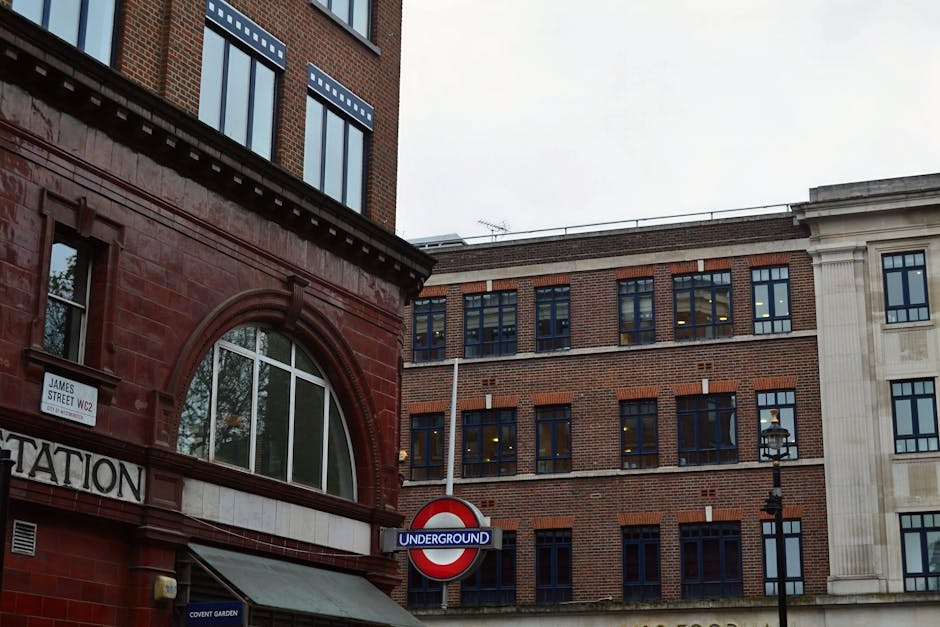
Why Covent Garden WC2 removals tips for flats above shops Matters
Flats above shops are common in Covent Garden, and they come with a specific moving challenge: you are often dealing with old buildings, mixed-use premises, narrow entrances, shared access points, and very little tolerance for blocking a pavement even for a short while. In practice, that means the move is less about brute force and more about choreography.
Why does that matter so much? Because a badly planned move can lead to scratched walls, damaged stair treads, upset neighbours, delayed loading, or a van that sits too far away from the entrance. And in central London, little delays have a habit of multiplying. A ten-minute issue becomes a half-hour one. Then suddenly everyone is standing around with a mattress wondering where time went. Classic move-day nonsense.
There is also a trust element. If you are inviting movers into a flat above a shop, you want people who understand awkward access and know how to work calmly in a live environment. That is where experienced local teams make a difference. If you are still comparing providers, the company's about us page is useful for getting a sense of how they approach local removals, while their services overview gives a wider picture of what they can handle.
Key point: in WC2, the move is usually won or lost before the first box leaves the room.
How Covent Garden WC2 removals tips for flats above shops Works
At a high level, a flat above a shop move follows the same stages as any other removal: survey or assessment, packing, loading, transport, unloading, and placement. The difference is in the details. Those details matter more here than almost anywhere else in central London.
First, access needs to be checked properly. That means stair width, ceiling height, turning points, doorway sizes, and whether bulky items can actually be carried down intact. A sofa can look reasonable in a living room and become a completely different beast on a narrow staircase. It happens all the time.
Second, timing matters. Covent Garden is busy, and the street scene changes through the day. Early starts can be calmer. Midday can be a headache if footfall is heavy. Evening moves may help, but only if building rules, parking arrangements, and neighbour considerations all line up. No one wants to be dragging a wardrobe past a restaurant queue at lunch.
Third, loading needs to be planned around the shortest safe route. In a flat above shops, the "obvious" route is not always the best route. Sometimes a rear entrance, courtyard access, or a building manager's preferred path is safer and quicker. Sometimes, honestly, it is just less awkward. A good mover will look for the least disruptive option, not the most dramatic one.
If packing is still underway, take a look at packing guidance for house moves and the local packing and boxes service in Covent Garden. Good packing can shave real time off the job, especially where stairs and tight turns are involved.
Key Benefits and Practical Advantages
Good planning for a shop-above flat move does more than prevent damage. It can make the entire day feel manageable. That sounds obvious, but it is easy to overlook when you are staring at stacked boxes and a list that keeps growing.
- Less risk of damage: Fewer bumps on walls, banisters, door frames, and furniture corners.
- Faster loading: Efficient access planning reduces repeated trips and wasted lifting.
- Lower stress: Clear roles and timing mean fewer surprises on the day.
- Better neighbour relations: You are less likely to block shared areas or create unnecessary noise.
- Safer lifting: With the right equipment and techniques, heavy pieces are much easier to handle.
One practical benefit people often miss is decision-making speed. When access is tight, every extra question on the day slows you down: Can that wardrobe turn? Do we need another person? Will the bed frame fit through in one piece? If you have already answered those questions in advance, you move with confidence rather than improvising under pressure.
That confidence matters. It keeps the move feeling controlled, even if the building itself is a bit of a puzzle.
Who This Is For and When It Makes Sense
This advice is for anyone moving in or out of a flat above a shop in Covent Garden, WC2, especially if you are dealing with stairs, shared access, or furniture that is not easy to dismantle. It is particularly useful for tenants, landlords arranging an end-of-tenancy move, first-time movers, and people relocating within central London.
It also makes sense if you are moving something awkward rather than an entire home. A large sofa, a piano, a bed base, or a freezer can be just as challenging as a full flat move when access is tight. If that sounds familiar, the local guides on furniture removals in Covent Garden and piano removals in Covent Garden are worth a look.
You may also need a more flexible service if the move is urgent. In that case, same-day removals in Covent Garden can be the better fit, though only if access and packing are already under control. Same-day help is useful, but it is not magic. The boxes still need labels. The sofa still has to fit.
Best fit: people who need local expertise, careful handling, and a calm plan for awkward access.
Step-by-Step Guidance
Here is a practical way to approach a flat-above-shop move in WC2 without overcomplicating it.
- Measure the awkward bits first. Check stair width, landings, doorways, and the biggest furniture items. Do not rely on memory. A tape measure is boring, but very useful.
- Confirm access routes. Ask whether front, rear, or service access is available. Check who holds keys, what time the route can be used, and whether anyone else needs notice.
- Declutter before you pack. Fewer items means fewer trips and less lifting. If you are unsure where to start, the article on decluttering before a move gives a simple framework.
- Book the right vehicle. A local move may only need a compact van, but a larger volume of boxes or furniture may call for something bigger. The page on man with a van in Covent Garden is useful if you want a smaller, flexible option.
- Protect shared areas. Use blankets, edge protectors, and floor covering where appropriate. Old stairwells chip easily, and dust or scuffs show quickly in narrow hallways.
- Pack by room and priority. Keep essentials together. Kettle, chargers, documents, medication, and a change of clothes should not disappear into a random box marked "misc".
- Set a clear loading order. Heavy and bulky items usually go first, with fragile items secured separately. A plan saves time and reduces backtracking.
- Do a final walk-through. Check cupboards, loft spaces, under beds, and behind doors. It is amazing how often something small gets left behind at the very end.
If you are packing appliances like a freezer, it is worth reading the local advice on storing a freezer when it is unplugged. Small preparation details can prevent unpleasant surprises later. And yes, moving day already gives you enough surprises.
Expert Tips for Better Results
In our experience, the smoothest flat moves above shops are rarely the ones with the fewest boxes. They are the ones where someone thought ahead about the awkward little things. That is the difference.
Use the stairs like a route map
Before move day, walk the route with one bulky item in mind. Where does a wardrobe need to pivot? Which landing feels tight? Is there a lamp, handrail, or low ceiling that will catch a corner? You do not need a full technical drawing. Just a mental map of the trouble spots.
Keep one person in charge of access
Too many people trying to direct a move can slow everything down. Pick one person to answer questions about keys, access, parking, and room placement. The rest can help, of course, but there should be one clear decision-maker. Otherwise it becomes a bit of a committee, and committees are not great at carrying wardrobes.
Think in terms of load size, not just item count
Ten medium boxes can be easier than one awkward sofa, or the reverse if those boxes are full of books. A heavy object can be underestimated because it looks small. If you are doing any lifting yourself, the advice on heavy lifting made simpler and safe lifting essentials is worth revisiting.
Separate fragile from awkward
Fragile items need cushioning. Awkward items need route planning. They are not the same problem, and treating them that way is where people go wrong.
Leave a clean path through the flat
Clear hallways, remove loose rugs, and move low obstacles before the team arrives. This seems basic, but it reduces trip hazards and speeds up everything. One clear corridor through the flat can make a bigger difference than an extra pair of hands.
For larger pieces, a specialist approach helps. The article on relocating a bed and mattress and the guide to sofa storage and handling are both good examples of how to protect bulky furniture properly.

Common Mistakes to Avoid
Most moving mistakes in flats above shops are not dramatic. They are small, ordinary, and annoyingly avoidable. That is the frustrating part.
- Not checking measurements: Guessing the width of a staircase is how people end up rotating a sofa at a 45-degree angle for far too long.
- Ignoring building rules: Some buildings have loading windows, quiet periods, or access instructions. Missing these can cause delays or complaints.
- Leaving packing until the last night: Rushed packing leads to weak boxes, poor labels, and broken items.
- Using the wrong vehicle: A van that is too small creates extra trips. A van that is too large may be harder to park near the property.
- Overfilling boxes: Books, bottles, and kitchen items can become dangerously heavy. Tape does not make a box stronger, sadly.
- Forgetting disposal or storage needs: If something will not fit in the new flat, plan storage early. The page on storage in Covent Garden may help if you need a temporary solution.
One small but common mistake is failing to protect the ground floor business below the flat. In mixed-use buildings, the route may pass through shared entrances or spaces used by staff and customers. A move that respects those spaces usually goes more smoothly. It's just common sense, really.
Tools, Resources and Recommendations
You do not need a van full of specialist kit for every move, but the right basics make a real difference. Especially in a narrow WC2 building, the small tools are often the heroes.
| Tool or resource | Why it helps | Best used for |
|---|---|---|
| Furniture blankets | Protects corners and surfaces | Sofas, tables, wardrobes |
| Removal straps | Improves control when carrying heavy items | Bulky furniture and appliances |
| Sturdy boxes and tape | Reduces breakages and box failure | Kitchenware, books, clothing |
| Floor protectors | Helps prevent scuffs on stairs and landings | Shared entrances and tight hallways |
| Labels and markers | Makes unpacking quicker | All rooms and priority boxes |
For those who want a more structured support service, the local removal van service can be a sensible middle ground between doing everything yourself and booking a larger full-service move. If you want to understand pricing before deciding, pricing and quotes is the best place to start.
A genuinely useful planning resource, especially if you are juggling a busy week, is the checklist for a tidy home before relocating. It sounds simple. It is simple. But simple is good when your head is full of keys, boxes, and last-minute admin.
Law, Compliance, Standards, or Best Practice
For a move in Covent Garden, the main compliance concerns are usually practical rather than dramatic: safe lifting, responsible parking, avoiding obstruction, and respecting building or landlord requirements. If you are using professional movers, you should expect them to work in line with normal UK health and safety practice, and to handle goods with reasonable care.
Depending on the building, there may also be rules around access times, lift use, shared corridors, and waste disposal. These are often set by the landlord, managing agent, or building management rather than by a single universal rule. So it is wise to check in advance instead of assuming it will all be fine on the day. WC2 is not the place for casual assumptions, to be fair.
If you are comparing providers, look for clear communication about insurance, complaints handling, payment security, and terms. The supporting pages on terms and conditions, complaints procedure, payment and security, and privacy policy can help you judge how seriously a company handles customer care.
There is also a sustainability side to moving. Reusing boxes, donating unwanted furniture where possible, and reducing unnecessary waste all help. If that matters to you, take a look at recycling and sustainability information. A move does not have to create a mountain of rubbish. It just doesn't.
Options, Methods, or Comparison Table
Different moves need different approaches. A careful comparison can save money and hassle, especially in a place like Covent Garden where access can change the whole job.
| Option | Best for | Pros | Trade-offs |
|---|---|---|---|
| DIY move | Very small loads, flexible timing | Lower direct cost, full control | More lifting, more risk, more stress |
| Man and van | Small to medium local removals | Flexible, efficient, local-friendly | May still need you to pack and prep well |
| Full removal service | Heavier furniture, larger flats, more complexity | More support, better handling, less physical strain | Usually costs more than basic transport only |
| Same-day support | Urgent or last-minute moves | Speed, convenience | Best only if access and packing are already organised |
If the move is mainly furniture-focused, the local furniture removals service may be more suitable than a general transport-only option. For student or smaller-budget moves, student removals in Covent Garden can also be a practical fit.
And if you are moving into or out of a house as part of a broader relocation, the page on house removals in Covent Garden helps you compare that with a flat-focused approach. Not every move needs the same setup, which sounds obvious until you are halfway through packing the kitchen.
Case Study or Real-World Example
Picture a typical Covent Garden move: a one-bedroom flat above a shop, accessed via a narrow internal staircase, with a two-seater sofa, a double bed, a wardrobe, six boxes of books, and a freezer in the kitchen. Nothing outrageous. Just enough to make the day interesting.
In a situation like that, the smoothest outcome usually comes from three simple choices. First, the bulky furniture gets checked before move day, so nobody is guessing whether the wardrobe will fit around the landing. Second, the boxes are packed by category, which means the kitchen boxes stay separate from the bedroom boxes. Third, the loading order is planned so that the heaviest items leave first, before fatigue sets in.
Where people often get stuck is the final stretch. Maybe the sofa needs to tilt, the bed frame must be partially dismantled, and someone realises the freezer still contains a few forgotten items. That is the point where a calm, practical team saves the day. The move does not become "easy" exactly, but it stops being chaotic. That is a win.
If the building access is especially tight, a local mover familiar with narrow streets and old staircases can be a real advantage. For an example of that kind of niche support, read this guide to tight-access moves on Neal Street. It shows how local knowledge can shave time off a difficult job.
Practical Checklist
Use this checklist a few days before the move. Then again the night before. Then one more time before the van arrives. Yes, really.
- Measure doorways, stair widths, and any tight corners.
- Confirm access times, keys, and any building instructions.
- Check parking or loading arrangements near the property.
- Declutter rooms so you are not moving items you no longer need.
- Pack fragile items separately and mark boxes clearly.
- Keep essentials in one bag or one clearly labelled box.
- Disassemble furniture if that will make it safer to move.
- Protect floors, bannisters, and door frames where needed.
- Set aside cleaning materials for the final sweep.
- Check the flat for forgotten items in cupboards, under beds, and behind doors.
- Have contact details ready for the mover, landlord, or building manager.
- Plan where each item will go in the new place to speed unloading.
A good move above a shop is not about rushing. It is about removing friction before it appears.
If the thought of lifting, packing, and stairwells feels a bit much, start with the easiest jobs first. Label boxes. Clear hallways. Make decisions early. A smaller move is still a move, and it still deserves a proper plan.
Conclusion
Covent Garden WC2 removals tips for flats above shops come down to one principle: respect the access. When you understand the staircase, the timing, the building rules, and the shape of your furniture, the whole move gets easier. Not effortless, perhaps, but manageable. And manageable is a lovely thing on moving day.
The best outcomes usually come from local knowledge, careful packing, sensible lifting, and a team that knows how to work around real-world obstacles without making a fuss. That combination is especially valuable in mixed-use buildings where every step matters and every minute seems to matter too.
If you are planning a move in WC2, take the time to measure, label, and prepare properly. A calm move above a shop is absolutely possible. It just takes a bit of care, a bit of patience, and someone who knows the roads, the buildings, and the little problems before they become big ones.
Get a free quote today and see how much you can save.
And if you are at that point where the boxes are starting to multiply in the corner, take a breath. You are probably closer to sorted than it feels right now.